Cracks spidering out from a low spot, and a hole by the curb that grabs your tire every time you pull in.
Most asphalt repair around here is water damage in a costume, and this town knows costumes. Four inches of rain in an hour, a delivery truck parked on top of the puddle while it drains, and the ground under the pavement gives up. We patch driveways, private lanes and parking lot asphalt repair across the parish, and the thing I will not do is spread hot mix over a soft, crumbling edge so it looks tidy for a month.
If what is under it is moving, we saw the failure out square and rebuild it properly.
Size, depth, and whether a truck can get anywhere near the spot all decide what a patch takes.
Keep reading for how the work goes, where we run crews, and answers to what folks want to know before they book. Call (504) 607-7395 and I will come put eyes on it.
Asphalt Crack Repair
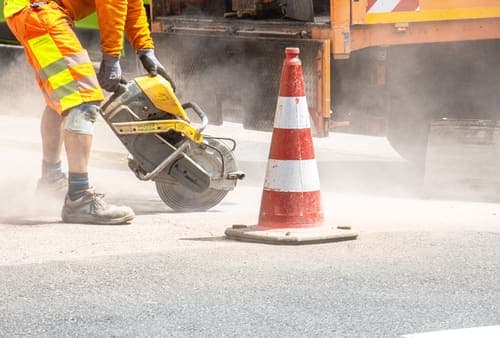
Asphalt crack repair is the cheapest work you'll ever put into a driveway or a lot, because every open crack is a funnel aimed straight at your base. We rout the crack out first so we've got clean walls on both sides, then blow the channel with compressed air until there's no grit or damp left sitting in it. Hot pour rubber sealant goes in after that, squeegeed flush, not mounded into a ridge you can feel through the tires.
Fill a wet, dirty crack and it lets go by the next stretch of rain, and around here that's never far off.
What I stay away from is running sealant through alligatored patches where the mat has already broken apart. That wants a saw cut and new material, which is the kind of asphalt paving repair New Orleans Asphalt Paving handles on the same visit. Total length of cracking, width, and how easily we can get a truck to it are what move the cost.
Parking Lot Asphalt Repair
A parking lot fails in patches, not all at once, and the patches are predictable. The dumpster pad, where the truck drops its forks and grinds. The entrance apron off the street, where every car hits the same three feet. The low spot by the drain that holds water for two days after an afternoon downpour, because water sitting on asphalt is how a lot dies young.
Most parking lot asphalt repair I do gets phased around your hours. We saw out the failed section, haul it, check the base underneath, then lay and compact hot mix. Fresh patch takes traffic same day, striping the next.
Skip the base check and you get a patch that sinks by summer. That is the corner cheap asphalt repair contractors cut, and you can see it from the sidewalk.
Infrared Asphalt Repair
Infrared asphalt repair is what I reach for when the surface has given up but the ground under it is fine. The heater panel sits over the bad spot for a few minutes and softens the top couple of inches, then we rake out the ruined material, work in fresh mix and a rejuvenator, and roll it before it cools.
What you get is one continuous surface instead of a cold joint for water to find the next time it rains for three days straight.
Cook it too long and the binder goes brittle, and the patch sheds stones by the second season. Rake it too shallow and you've laid a skin over the problem.
On asphalt pothole repair in drive lanes and around dumpster pads it beats a saw-cut square. The number of spots, the depth of the failure, and whether we can get the heater truck alongside them all pull the price around.
Asphalt Pothole Repair
The pothole is the symptom, not the disease. Water got under your pavement, our high water table kept it there, and the base turned to soup until the surface caved in. So proper asphalt pothole repair starts with a saw cut, square edges, straight sides, and digging out every bit of soft material until we hit something that will hold a compactor. If the base is gone, we replace it.
Then tack the edges, fill in lifts, and compact each one hot.
Skip the saw cut and you get a shallow patch with feathered edges that pops out by the second good downpour, which around here means next week.
A bag of QPR asphalt repair mix has its place for a hole that's eating tires on Tuesday, but treat it as a bandage, not a fix.
Asphalt Road Repair
A street is not a driveway with more room. Traffic never lets up, and the real trouble sits underneath, in that soft delta soil, where a lane settles an inch or two and nobody says a word until water stands in the dip after a Tuesday downpour.
So asphalt road repair starts below the surface. We saw cut full depth, haul out the failed material, and take a hard look at whether the stone base is still carrying anything. If it isn't, we rebuild it. Then we tack the vertical edges and lay hot mix in lifts, rolling each one while it's still hot enough to matter.
Tack coat is the step that gets skipped, and a patch without it peels at the seam by the second summer.
Private roads, apartment drives and subdivision streets get the same paving repair. Length, depth and keeping one lane open change the work.
Total Asphalt Repair
Total asphalt repair is the call when patching has stopped making sense: we saw cut the failed area square, dig it out full depth, and see what the ground has been up to underneath. Nine times out of ten it's water sitting in soft subgrade that never got proper stone. We haul the bad material off, bring in crushed limestone, roll it tight, then lay hot mix in lifts and roll each one before the next goes down.
The cut edges get tacked so the seam doesn't open on you by spring.
Size of the failed section, how far down the trouble goes, and whether a truck and roller can reach it are what shift the number on asphalt paving repairs like this. Skip the base work and you're patching the same square again next year.
What the job involves
Most asphalt repair around here starts the same way: we find out how far the damage actually goes. A pothole on the surface is usually the last thing to fail, not the first. Our soil moves, water gets under the pavement, the base washes out, and the top layer collapses into the hole that was already there.
So we saw cut a clean square around the bad spot instead of chasing the crumbly edges, then dig out until we hit something that will hold.
If the stone base is soft or full of water, we pull it and put down fresh crushed limestone, compacted in lifts. Skip that and you get a patch that looks great in March and sinks by the time the first real August downpour rolls through.
Then tack coat on every vertical face, hot mix in, and compaction while it is still hot. That last part is where a lot of asphalt repair contractors get lazy. Under compacted mix looks fine and ravels apart in a season.
A single patch on a driveway off Elysian Fields is usually a few hours. A parking lot with a dozen failures and some asphalt crack repair mixed in runs a day or two, weather permitting, because we cannot lay mix in standing water.
You can drive on it once it cools, generally the same afternoon.
What it costs
The asphalt repair cost on your place comes down to four things: how much square footage has failed, how far down the failure goes, whether a truck can get near it, and what the base looks like once we cut out the bad edges. A shallow surface patch on an open drive is quick work. The same size hole with soft, soaked stone under it means digging, hauling spoil out, fresh rock in, and that is a longer day.
Access matters too, since a walled courtyard we have to wheelbarrow into runs heavier than a wide-open lot. Long wet stretches slow everything, because hot mix will not bond into standing water and a patch laid in a puddle lets go fast. Give me a ring at (504) 607-7395 with an address. Plenty of asphalt repair contractors price on area alone, and depth is what really decides it.
When asphalt repair is the wrong fix
Sometimes asphalt repair is the wrong fix, and you ought to hear that before anybody starts cutting patches.
Three cases come up most. Hairline cracks that haven't opened up yet don't want patch material, they want asphalt crack filling before water finds its way to the base. A surface with alligator cracking across most of it is past patching too, because you wind up with a checkerboard of paving repairs that keep letting go one after another, and asphalt milling with a fresh mat costs you less across the next five years.
And if the pavement underneath is still solid but the top looks faded and tired with no soft spots in it, then resurfacing driveway work or fresh parking lot striping fixes what's actually bothering you.
Patch over a base that's pumping water and the patch sinks. Then you pay for the same asphalt driveway repair twice.
Why choose us for this
You have got a pothole at the entrance or a patch that dips every time a delivery truck crosses it, and what you want from asphalt repair is to hire somebody once, not to stand out there supervising and not to look at that spot again for years.
Cheaper numbers get cheaper by leaving steps off the sheet. What I will not do is shovel cold mix into a wet hole and let your tires do the rolling. We saw the edges square, dig back to sound material, tack the vertical faces so the patch bonds to what is around it, and roll it in lifts. Skip the tack and asphalt pothole repair pulls loose at the seam by the next rainy week.
Some asphalt repair companies will price it off a photo you text over. I would rather put a boot on it. Looking costs you nothing, and no is a fine answer.
Frequently asked questions
Can you just patch it, or does the whole driveway have to come out?
Most asphalt repair on a residence or a small lot is a patch, and a patch holds fine as long as what's under it is dry and firm. If I saw out a square and the stone below is wet and rolling under my boot, new mix on top of that will dish again by next summer. That's when total asphalt repair, full depth out and a new mat in, is the honest call.
How long am I off it?
Driving on new asphalt about 24 hours. The work itself runs a day on most driveways and on a single section of parking lot asphalt repair, so you lose the space for one working day, not a week.
Will cutting out one bad spot wreck the good asphalt around it?
No. We saw straight edges rather than chipping them, paint those cut faces with tack so the new mix bonds instead of sitting there as a plug, and roll it flush with the old surface. Ragged edges are where water gets back in, and water is what started the hole.
Contact New Orleans Asphalt Paving now
You can reach us for asphalt paving and repair work anywhere in New Orleans at (504) 607-7395. Somebody is here on weekdays, nine to five, and a message left after that gets a call back.
Before we come out, three things help: how big the area is, whether water stands on it after a hard rain, and what rolls over it. A driveway that sees two cars is one conversation. A lot with box trucks swinging wide at the dumpster is another, because the failure runs deeper and the fix has to follow it down.
I'm not going to price your pavement from the sidewalk, either. I walk it, sound out the soft spots, and tell you straight whether you're looking at asphalt repair services on a few square yards, an infrared asphalt repair, or a pothole that is really the base giving up underneath.